
Mūtapāda Jātaka
Mūtapāda Jātaka
In the ancient kingdom of Kosala, nestled beside the winding Sarayu River, stood the grand city of Sāvatthī. Its halls echoed with the wisdom of the Bodhisatta, who in this life was a humble yet exceptionally intelligent ox. This ox, known for his immaculate white coat and a tail that seemed to possess a life of its own, was the envy of all the other cattle in the royal stable. He was strong, swift, and possessed a keen understanding of human commands, making him a favorite of the king himself. The king often chose this ox to pull his chariot during royal processions, and the creature performed his duties with grace and unwavering loyalty.
One day, as the king was traveling through the countryside, the ox, with his usual diligence, found himself needing to relieve himself. Now, this was no ordinary ox; he was acutely aware of his surroundings and the importance of decorum, even in such natural moments. He carefully steered the chariot to the side of the road, away from any dwelling or public path, and proceeded to ease himself. However, in his haste to rejoin the king and continue their journey, his tail, which was remarkably long and thick, accidentally swept through his own… well, waste. The ox recoiled in disgust, a rare display of distress for such a stoic animal.
The king, noticing the sudden halt and the ox’s unusual agitation, inquired what was amiss. The Bodhisatta, unable to speak human words but communicating through his earnest disposition and troubled eyes, tried to convey his discomfort. The king, a wise ruler, observed the ox’s posture, the direction of his gaze, and the slight tremor in his powerful frame. He saw the tell-tale sign of the ox’s tail being soiled. Instead of scolding or punishing the ox, the king, with a knowing smile, dismounted. He then, with his own hands, took a clean cloth from his chariot and gently, but thoroughly, cleaned the ox’s tail. He spoke soothing words to the animal, praising its usual cleanliness and understanding its momentary lapse.
The other attendants and stable hands who witnessed this were astonished. Why would their king, a man of such high stature, personally attend to the cleanliness of an ox, especially after such an unfortunate accident? They whispered amongst themselves, some questioning the king’s actions, others marveling at his compassion. They did not understand that the king recognized the Bodhisatta’s inherent goodness and his distress over the accident. He saw it not as a fault, but as an unfortunate occurrence that even the most diligent could face.
The Bodhisatta, deeply moved by the king’s kindness and understanding, felt a profound sense of gratitude. He resolved, with all his might, to be even more careful and diligent in the future. From that day forward, he paid even greater attention to his actions, ensuring that no such incident would ever happen again. He became even more devoted to the king, his loyalty and service unwavering. He understood that true virtue wasn't just about avoiding mistakes, but about how one reacted to them and the unwavering commitment to do better.
Years passed, and the Bodhisatta served the king faithfully. The incident of the soiled tail became a quiet lesson, a reminder of the king’s profound understanding and the ox’s own commitment to perfection. The king, in turn, often recounted this story, not to shame the ox, but to illustrate the importance of compassion, understanding, and recognizing the inherent worth and effort of even the humblest servant. He taught his courtiers that true leadership lies in lifting up those who serve, in understanding their struggles, and in offering a helping hand, rather than quick judgment. The ox, through his quiet dignity and unwavering service, became a living testament to the king's wisdom and his own dedication.
— In-Article Ad —
💡Moral of the Story
True understanding and compassion can transform an unfortunate incident into a lesson of dedication and loyalty. Even the smallest creatures deserve kindness and respect.
Perfection: Loyalty
— Ad Space (728x90) —
More Jataka Tales You May Enjoy
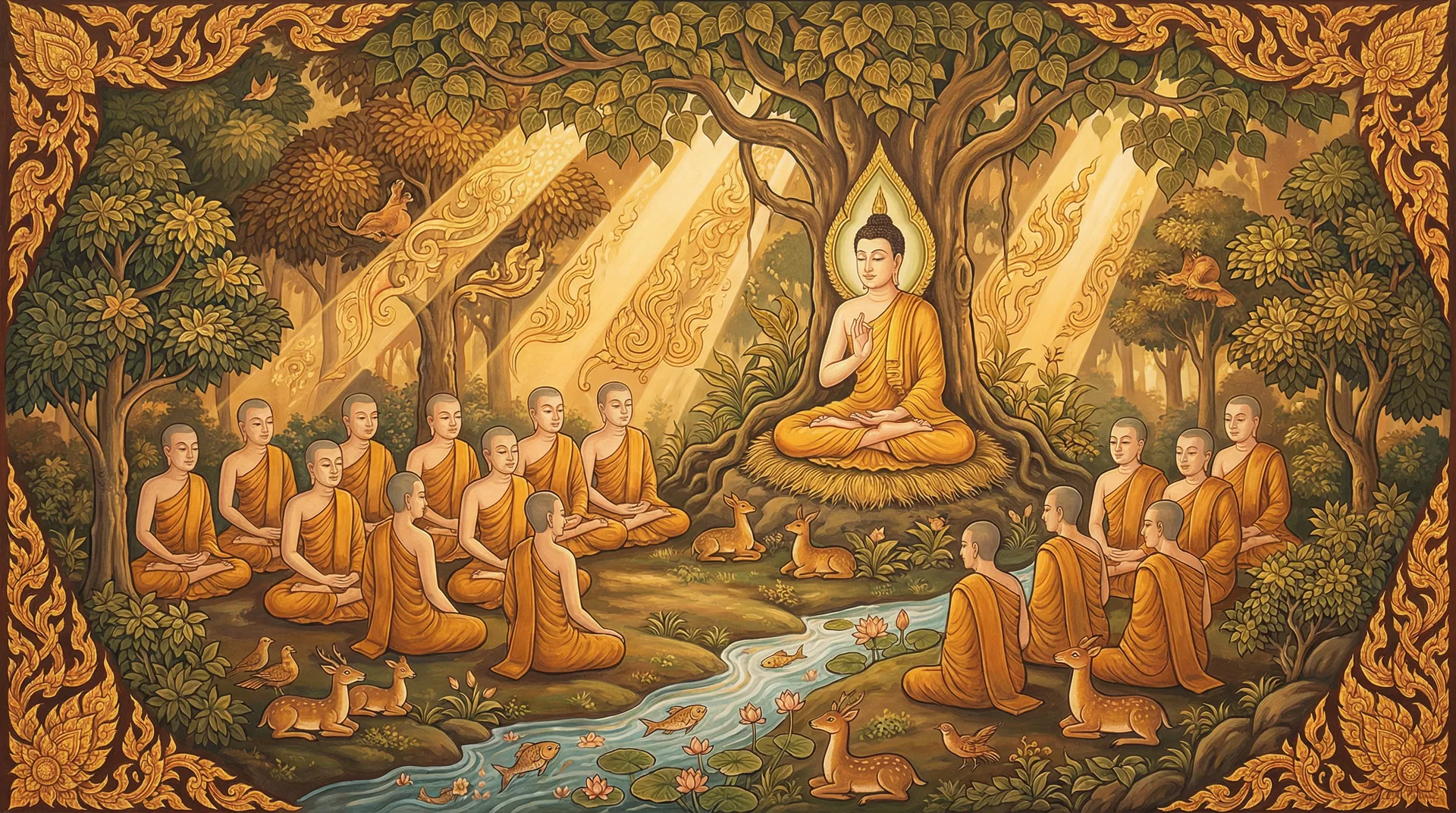 530Mahānipāta
Samyuttakapālajātaka
The Tale of the Broken Pot In the heart of a vibrant city, known for its skilled artisans and bustli...
💡 Anger can be destructive, preventing us from seeing new possibilities. When faced with setbacks and brokenness, it is important to manage our anger, adapt, and look for new ways to create and find beauty.
 432Navakanipāta
Mugapakkha Jataka
Mugapakkha JatakaIn the ancient kingdom of Videha, ruled a just and benevolent king. Yet, despite hi...
💡 True wisdom is often found in silence and inner strength, not necessarily in eloquent speech or worldly possessions. One's ability to resist temptation is a powerful indicator of spiritual development.
 379Chakkanipāta
Kumbha-jātaka
Kumbha-jātakaIn a serene monastery nestled on the slopes of a gentle hill, lived a community of monk...
💡 True skill and service are not merely about outward performance or confidence, but about complete awareness, humility, and a deep respect for the task and its surroundings. Pride can be a greater source of failure than lack of ability.
 317Catukkanipāta
Sutasoma Jataka
Sutasoma JatakaIn the ancient kingdom of Gandhara, nestled amidst rolling hills and verdant valleys,...
💡 True liberation from suffering comes through selfless sacrifice and detachment from worldly attachments, particularly the craving for existence.
 288Tikanipāta
The Tortoise Who Saved His Companions (Nāga Jātaka)
The Tortoise Who Saved His Companions (Nāga Jātaka) In a time when the earth was a tapestry of vibra...
💡 True strength lies not in physical prowess, but in the wisdom and selfless courage to protect and guide others through adversity.
437NavakanipātaSamuddriya Jataka
The Voyage of the Steadfast MerchantLong ago, in the bustling port city of Supparaka, there lived a ...
💡 True leadership is demonstrated not in times of ease, but in the face of adversity. Steadfastness, courage, and unwavering integrity are the anchors that guide one through the most turbulent storms of life, inspiring trust and ensuring survival.
— Multiplex Ad —